


DAP - Developmentally Appropriate Provision
At our school, we believe that children in Key Stage 1 learn best when teaching and provision reflect their stage of development. Our Developmentally Appropriate Practice (DAP) approach in Year 1 which builds thoughtfully on the strong foundations of the Early Years, while gradually preparing children for the more formal learning as they enter Year 2l.
DAP recognises that children aged 5–7 are still young learners. They need opportunities to explore, talk, play, practise and apply their learning in meaningful contexts. Through this approach, we aim to nurture confident, curious and resilient learners who enjoy school and develop a genuine love of learning.
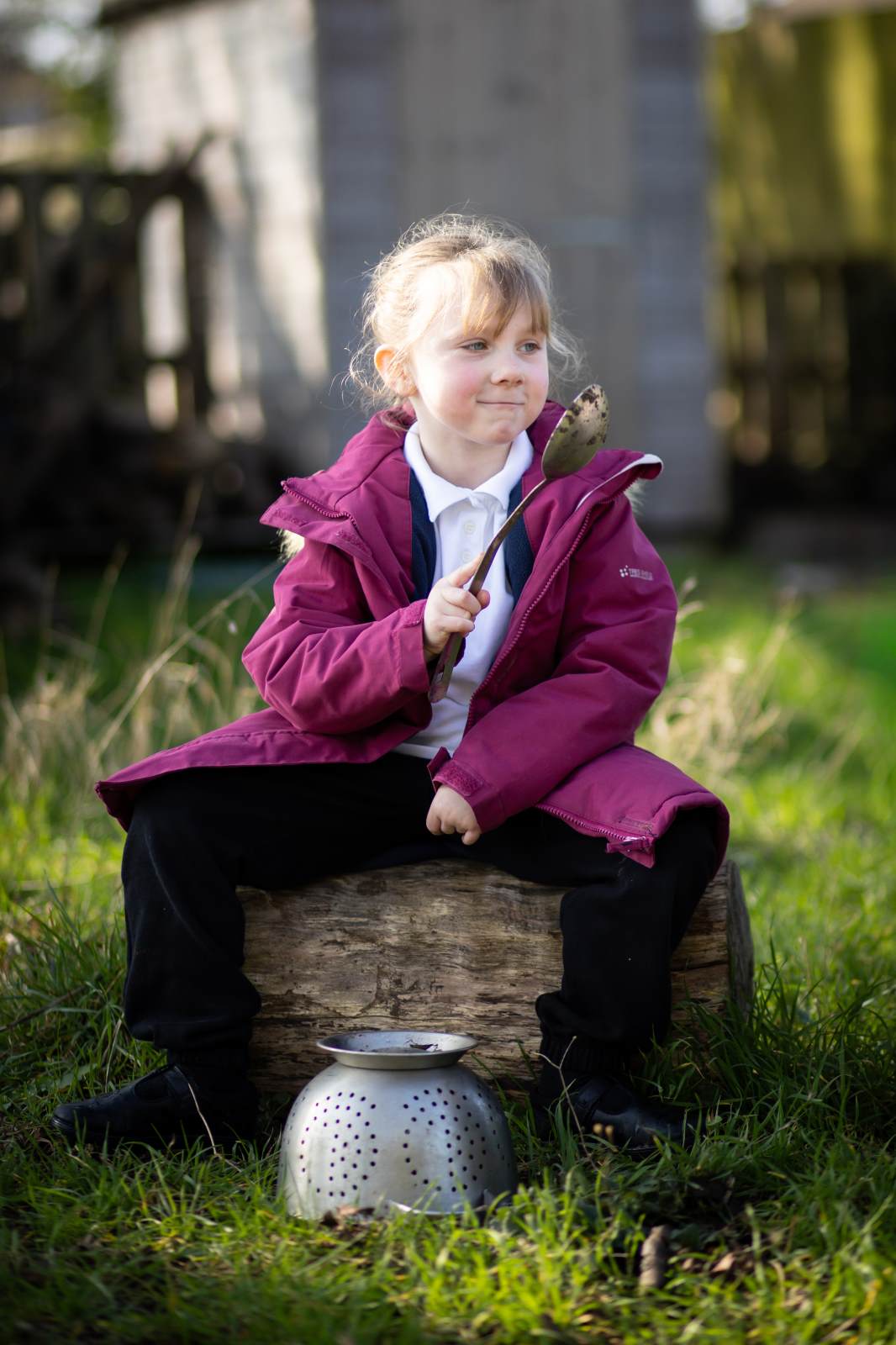
What is Developmentally Appropriate Practice in KS1?
Our Developmentally Appropriate Practice combines:
- Carefully planned continuous provision across the classroom and outdoor environment
- Play-based and inquiry-led learning opportunities
- High-quality whole-class teaching
- Adult-led focus groups and targeted interventions
- Purposeful challenges and enhancements linked to curriculum learning
Developmentally Appropriate Practice (DAP) strengthens the foundations laid in the Early Years by aligning with the principles outlined in Strong Foundations in the First Years of School. It recognises that children in Key Stage 1 need secure grounding in core knowledge and skills such as communication, reading, writing and mathematics alongside their social, emotional and physical development. Through a balanced approach of continuous provision, play based exploration and high quality teaching, DAP ensures children have repeated opportunities to practise and embed learning so it is remembered over time. This approach also supports the development of executive function, attention and independence, which are crucial for future success. By carefully sequencing learning, responding to children’s starting points and avoiding pushing formal learning too soon, DAP helps all children build secure, lasting foundations and prepares them effectively for the transition into Year 2 and beyond.
Continuous Provision in Year 1
The Year 1 classroom is organised into clearly defined areas of continuous provision, each with a specific cross-curricular purpose. These areas are carefully planned, resourced and reviewed each half term to reflect curriculum coverage, assessment information and the interests and needs of the children.
Typical areas include:
- Investigation and curiosity areas
- Small world and block play
- Construction
- Creative (Art and Design / DT)
- Fine motor and malleable play
- Writing areas and writing kits throughout the classroom
- Maths resource area
- Cosy reading area
- Snack area
Resources are accessible, inviting and purposeful, enabling children to work independently or collaboratively. Adults play a vital role in modelling learning, language and expectations within these areas.
Transition to Year 2
In Year 2, areas of the classroom are planned and set up to allow for some continuous provision for learning to continue, and a gradual change in expectation takes place throughout the year as children spend increasing amounts of time in adult-led focus activities and whole class learning, in line with their developmental stage.
Enhancements and Challenges
To ensure learning remains focused and progressive, the environment is enhanced regularly:
- Enhancements are carefully planned activities added to provision to direct children towards specific learning intentions.
- Challenges are introduced gradually across the year, supporting children to develop independence, perseverance and executive functioning skills.
The level of structure increases as the year progresses, supporting a smooth transition from EYFS-style learning towards more formal expectations.
Teaching, Focus Groups and Interventions
Alongside continuous provision, children take part in:
- Daily phonics sessions
- Regular English and Maths lessons
- Foundation subject teaching with follow-up learning in provision
Small adult-led focus groups and targeted interventions are used to address gaps in learning, provide additional support or extend learning further. The focus is firmly on securing and developing foundational skills, and is adapted based on regular informal assessment. This flexible structure allows teachers to respond effectively to the needs of all learners, including children with SEND, EAL and those who are vulnerable.
Why We Use a Developmentally Appropriate Approach
This approach supports:
- High levels of engagement, wellbeing and motivation
- The development of independence, resilience and executive function skills
- Inclusive practice that meets the needs of all learners
- Strong academic progress alongside social, emotional and physical development
By valuing how children learn as well as what they learn, our Developmentally Appropriate Approach ensures that Year 1 is a positive, purposeful and successful year for every child.
Close